Showing posts with label Zakat. Show all posts

Tuesday, July 6, 2021

Zakat


The expression "in the cause of Allah" or fi Sabil Allah was generally interpreted "Jihad fi Sabil Allah" and so many jurists restricted this Zakah expense for this purpose.Muslim jurists also say that in the Qur'an Allah used the word "Lil fuqara' wa Al-masakin or 'for the poor and the needy' and the 'lam' or (for)" here means 'tamlik' or possession. 

Thus they interpret the above verse to mean that the poor and needy should be made owners of this money or Tamlik Al-Zakah.Since in public and social welfare projects no one becomes the owner, so, according to their interpretation the Zakah should not be used for this purpose. Thus you will find in the books of Fiqh statements emphasizing that the money should not be used to build the Masajid, schools, hospitals, hostels etc. because this money belong to poor and it should be given to them. There are some jurists who still hold this strict opinion concerning Zakah.However, there are a number of jurists of this century, such as Sheikh Muhammad 'Abduh, Rashid Rida, Maulana Mawdudi, Amin Ahsan Islahi, Yusuf Al-Qaradawi and some Fatwa organizations in Kuwait and Egypt, they are of the opinion that the phrase 'in the cause of Allah' covers a broad category. 

It is a general term and it should be applied in all those situations where there is a need to serve Islam and Muslims.Those scholars consider it permissible to use the Zakah money to finance the Da'wah and public welfare programs. They say that the expression 'for the poor and needy' can also mean 'for the benefit of the poor and needy'.The modern jurists also argue that in the past Muslim governments used to build Mosques, schools and used to finance public welfare projects. Now many governments are negligent in this matter. 

Many Muslims are living in areas where there are no Muslim governments.Furthermore the financial needs of the people have become so enormous and diverse that earlier rules and restrictions cannot be fully applied and may not be very useful in every place.In his famous book Fiqh Az-Zakah, Sheikh Yusuf Al-Qaradawi, has thoroughly discussed this subject. His Fatwa is that in non-Muslim countries it is permissible to use Zakah funds to build the Masajid, Schools and hospitals.Muslims from all over the world go to Saudi Arabia, Kuwait, United Arab Emirates etc. to solicit funds for the building of their Mosques and schools. Most of the business people in those countries give their Zakah for this purpose. Many people from all over the world use this money for building projects without any question.Now, there are many people who come to North America to solicit funds for their Mosques and schools in some poor countries. American Muslims are also giving their Zakah to build Masajid and schools in other countries.It is the concept of 'fi Sabil Allah' and helping the Islamic cause in many lands where it has made it possible to establish Islamic institutions and Mosques.

Zakah is basically for the poor and needy and most of it should be used to take care of their needs. I believe that for the Mosque constructions Muslims should make extra charity and should give from funds other than Zakah. However, it is not forbidden for Muslims to give their Zakah money for the building of Mosques and schools, especially in non-Muslim countries.Islamic centers should have a separate Zakah fund. Those who do not want their Zakah to be used in building projects, should give their money to the Zakah fund. But those who want to give their Zakah for the Masjid construction they should donate directly to that project."

Thursday, April 25, 2019

Basics of Islam


A person who accepts Islam is called a Muslim. It means "one who surrenders". A Muslim is required to do all that Allah and his Messenger Muhammad (PBUH) have told not to do.


Allah and his Messenger (PBUH) have told us to do good deeds like being kind to our parents, to help others who are less fortunate and to be kind to animals.


Allah is One and Almighty.
He is our Lord.
He is created everything that is in the earth and the heavens.
He has no partner.
He has no mother or father, son or daughter.
He is Eternal.
There is nothing similar to Him.
He knows everything.
He sees everything.
He hears everything.
Nothing is hidden from Him.

He is Kind and Loving. He is Gracious and Merciful.

He is Clement and Forgiving.
Allah has beautiful Names which indicate His Attributes.
He is the One Who provides each and every one of His creation with the means to survive. 
He is the One Who created everything for our survival like the earth in which crops grow, water living things drink from, the air which they breathe and kindling for fire.
Muslim should turn only to Him in their times of need and sadness.
Muslim should seek help only from Him.
He is the One Who worthy of worship. Nothing else should be worshipped but He. There is no greater sin than Shirk, which means to associate partners unto Allah and believe that they can give us benefit or cause us harm, or worship or seek help from others besides Him.

Muhammad (PBUH) was the Prophet. Allah chose him to reveal His Last Message. He came with complete guidance for mankind. He received the Noble Quran from Allah through Angel Jibril. He was born in Makkah and was orphaned at a young age. He was cared for by his grandfather and then his uncle after grandfather died. Muhammad (PBUH) led an honest life, and was known as As-Sadiq (the truthful) and Al-Amin (the trustworthy) He received the first Revelation at the age of forty. 

He lived in Makkah for thirteen years, and called people to Islam. However, most of the people of Makkah refused to follow him. Theu made fun of him and tortured him and those who followed him. He suffered a great deal, but continued to preach the Word of Allah. He was forced to leave Makkah and go to Al-Madinah for ten years calling peoples to obey Allah. He had fight those who tried to stop him from spreading the Message of Allah.

Before he died, the whole Arabia had accepted Islam. He passed away at the age of 63. This shows that Prophet Muhammad (PBUH) was a human being just like us. He was not a Divine being, but was only a slave of Allah. Muslims must obey him, respect him, love him, but must not worship him nor attribute to him qualities which Allah possesses.


Muslims must follow his excellent example and follow the Right Path according to his teachings. He taught that all men, whether rich or poor, of whatever colour or race, are equal before Allah. it is only their obedience to Allah and their good deeds which may make some people better than others. Prophet Muhammad (PBUH) taught us to love, respect and be kind to one another, and to others of Allah creation.


He was the last and fianl Prophet. No Prophet shall come after him. Those who obey Allah and follow the teachings of His Messenger Muhammad (PBUH) be rewarded with Paradise in the Hereafter.


A Muslim must have Iman. Iman means to have firm belief in six things:


1: The first believe in Allah, to believe that He exists, He is One, and He Alone is the creator, Sustainer and Lord over everything, and He Alone is worthy of worship.


2: The second is to believe in the angels who are also the creation of Allah. Allah created them from light, and they always obey Him. They have been assigned various tasks which they carry out faithfully. Some of them were given the task of carrying the Message to the Prophets. Others are assigned to record the good and bad actions of human beings. The number of angels is well-known to us. They are Jibril, Mikail, Izrail and Israfil.


3: The third is believe in Allah Prophets. They were His Messengers on this earth, and were responsible for teaching Islam to their people. They came to teach people to do good, and lived their lives according to what they preached. The first man was also the Prophet, and he was Adam (PBUH). The last Prophet was Muhammad (PBUH). Some other famous ones  are Nuh ( Noah), Ibrahim (Abraham), Ismail (Ishmael), Ishaq (Isaac), Musa (Moses) and Isa (Jesus). A Muslim must believe in all the Prophets and give them due respect but they should not be worshipped.


4: The fourth is to believe in the Books of Allah. Allah revealed Books to His Prophets. These Books contain the guidance of Allah for mankind. The Noble Quran is the Book revealed to our Prophet Muhammad (PBUH). The three Books known to us which were revealed before the Quran are the Torah which was revealed to Musa, the Zabur which was sent down to Dawud, and Injil which given to Isa. Some people who were disobedient to Allah have distorted some of these Books to mislead the people. Allah has protected the Noble Quran from any kind of distortion.


5: The fifth is to believe in life after death. A Muslim has to believe that life in this world will come to an end one day. Everything in this world will perish. Then Allah will bring all human being back to life and judge them according to their deeds which they did while they lived on earth. The people who have obeyed Allah and spent their lives doing good will go to Paradise. There they will have everything good that they could possibly want, as a reward for their good deeds. The people who have disobedient to Allah Commands and have done bad things will go to Hell. There they will be cast into a big Fire as punishment for their bad deeds.


6: The sixth is to believe that everything comes from Allah. This means that Allah knows everything that is Going to happen whether it is a good thing or a bad thing. Nothing in this world takes place without His Permission or Knowledge. If something good happens to a Muslim, he should thank Allah for it. He should be patient and ask Allah for relief if something bad happens to him.

 This is the Holy Book which was revealed to Prophet Muhammad (PBUH) as a guidance to mankind. It was revealed to him over twenty-three years. The first revelation to him when he was contemplating in the cave of Hira.

Then suddenly Angel Jiril appeared to him and asked him to read. The Prophet Muhammad (PBUH) said, "i cannot read" The Angel embraced him tightly and then released him saying, "Read" Again the Prophet Muhammad (PBUH) said,  "i cannot read" Once again angel Jibril embraced him tightly and then released him saying: Surah Al-Alaq, Verse: 1-5


Recite in the name of your Lord who created -

Created man from a clinging substance.
Recite, and your Lord is the most Generous -
Who taught by the pen -
Taught man that which he knew not

The Prophet Muhammad (PBUH) was terrified and rushed to his house. He told his wife Khadijah (PBUH) what had happened. She consoled him and asked him to rest. The Verses of The Quran continued to be revealed to the Prophet (PBUH) telling him to ask the people to follow the Right Path of Islam.


Every time the verses were revealed, the Prophet (PBUH) would order his people to write them down. All verses of the Quran were presevred in this way. Later they where made into a Book which we have today.


The Quran is the Book of guidance for all mankind, It contains all the basic principles of the religion os Islam. It has given the details of the matters of Belief, the duties which are compulsory for Muslims to perform, and code of conduct which Muslims must follow.


Muslims must recite the Quran in Arabic and learn its meaning in their own languages. They must also act according to its teachings. There are 114 chapters in the Quran. Some are very long, and some are short. The Quran is divided into 30 parts. This is to make it easy for people to recite one part a day, and finish reciting it in a month. Recitation of the Quran and remembering its chapters and verses by heart are good deeds for which a person will be rewarded.


You have earlier learnt that Islam is based on Five Pillers. Now let us look at each pillar in turn:


1. Shahadah: 


This is to firmly believe in the heart and decide:

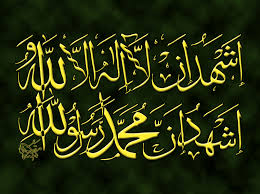
This is Shahadah. It is the very basis of Islam. Once a person declares it, he becames a Muslim. The Shahadah has two parts/ The first part is a declaration that Allah is the only Lord and Ruler, and He Alone is worthy of worship.

He has no partner, and He cannot be compared with other thing. Everything which in this universe is under His control and works according to His command. Mankind is also required to live according to the Commands of Allah.  Allah loves those who follow His Command. Allah dislike those who disobey Him.


The second part of the Shahadah is the declaration that Muhammad (PBUH) os the Messenger of Allah. He was the one who brought the Quran to us. Muslims are required to obey the Prophet (PBUH)  and follow his example without any hesitation.


Muslims are also required to honour and respect him, and ask Allah to give him blessing and salutations. Whenever his name is mentioned we must say:


2. Prayer (Salat)


This is to pray (perform Salat) five times a day. It is the distinguishing feature of Islam. A person abandons prayer at the risk of going out of Islam. Prayer is the most ssential obligatory duty which a Muslim must perform. This is the most obvious act which a Muslim does to show his obedience to Allah. Salat is also a means ot remembering Allah.

In prayer a person leaves everything and devotes himself to the worship to Allah. He dose exactly what he has been instructed by Allah's Messenger Muhammad (PBUH) . He changes from one posture to another in a composed manner, focusing his mind on Allah. He feels that he is standing before Allah the Almighty. Prayer is indeed a means of bringing mankind close to Allah.

In prayer, one stands facing the direction of the Kabah, bows and kneels before his Lord. He recited the Opening Chapter of the Quran ( Surat Al-Fatihah) praising and glorifying Allah, and asking for His Support and Help. This is Al-Fatihah,


In the name of Allah , the Entirely Merciful, the Especially Merciful.
[All] praise is [due] to Allah , Lord of the worlds -
The Entirely Merciful, the Especially Merciful,
Sovereign of the Day of Recompense.
It is You we worship and You we ask for help.
 Guide us to the straight path - 
The path of those upon whom You have bestowed favor, not of those who have evoked [Your] anger or of those who are astray.

Because of its importance, every Muslim male or female must learn how to perform Salat. Children should start performing it from the age of seven. When they reach the age of ten, their parents should discipline them if they dont do it. Prayer must be done by all Muslims and in all conditions. Those who cannot stand, can pray sitting down. Those who cannot sit, can do it lying down. Travelers should shorten their prayers.


There are five prayers each day. There are:


Fajar, which is observed at dawn before then sun rises.

Zuhr, which is observed at noon when the sun start to decline from the meridian.
Asr, which is to be observed in the late afternoon.
Maghrib, which is to be observed when the sun sets.
Isha, which is offered at night before going to bed.

One can therefore see that a Muslim's day starts and ends with prayer. The first thing a Muslim dose when he/she awakes in the morning is to think of Allah, praising Him and giving Him thanks. At the close of the day after doing all his/her daily activities he/she remembers Allah in his/her prayer, praising and thinking Him before he/she sleeps.


Prayer may be offered individually or in congregation. When it is performed in a congregation, the people stand in straight rows. The person who leads the prayer in called the Imam. He stands in front of the rest of the congregation. The congregation follows him in each step of the prayer. It is best to perform all the five obligatory prayers in congregation.


On Friday, prayer in congregation is compulsory for men. Women may also attend if they like. This Friday prayer is performed in place of the normal noon prayer. Before the prayer, the Khutba (sermon) is given by the imam. This contains guidance for Muslims as to how to deal with the problems of daily life.


Before performing prayer, a person must make sure that his body, clothes and his place of worship are clean. A special act of cleansing, called Wudu (ablution) must be done before prayer.


Wudu is performed by first washing hands. This is followed by rinsing the mouth and nose. Then the face is washed and the forearms up to the elbows. After this, wet hands are passed over the head and inside and outside of the ears. Finally, the feet are washed up to the ankles.


Each time Wudu, is made, all these parts should not be washed more then three times except when passing wet hands over the head which is to be done only once. If a person has done Wudu and then puts on socks, he does not need to take them off when he next makes Wudu. He may just pass wet hands over them once.


3. Zakat


Zakat is the third pillar of Islam. It is a way to doing our duty to other Muslims. Zakat is also to remind a person that his wealth is not his own, but its real owner is Allah. This should make a person ready to spend it in accordance with Allah's Command. Zakat is an annual payment made by people. It is not a tax imposed by Islam, but a due fixed by Allah so that the wealth of a person may be purified.


Zakat becomes due on savings which have been kept for one full year. Two and half percent of the total money is given to those who are in need. For example, if a person has 1000$ in savings which he has kept for a year then he will pay 25.00$.


Zakat is an act of worship. It is also a way of showing sympathy to those who are less fortunate. It is meant to take away from our hearts greed and the love of money. It is also a bridge the gap between the rich and the poor.

Zakat purifies one's wealth. Wealth on which Zakat has not been paid will be a source of punishment for its owner.

4. Fasting


Surah Al-Baqarah, Verse 183 O you who have believed, decreed upon you is fasting as it was decreed upon those before you that you may become righteous.


Fasting means to keep away from eating, drinking and the sexual act from dawn to sunset. Fasting is a compulsory for every Muslim during the month or Ramdan.


Fasting is both a physical and spiritual exercise. The person who is fasting is required to keep himself away from any act which displeases Allah. He should not engage in any evil behavior He should not say bad things nor quarrel with anyone. If he does not control himself and avoid evil deeds. his fast will not bring him any benefit nor reward from Allah.


Fasting through Ramadan trains one to control the desires. It also teaches one to discipline the behavior. Fasting helps one to strengthen his will-power. It also develops a person's endurance and steadfastness.


Fasting provides Muslims with the opportunity to experience the hunger and thirst suffered by many starving people in this world. Only in this way can Muslims learn and understand what it really feels like not to have food or drink. A Muslim will then be able to show sympathy, and be prepared to help and support them. This is why the fasting month of Ramadan is called the Month of Endurance and Sympathy.


Fasting is the true manifestation of obedience to Allah. The person who is fasting does so for the sake of Allah. For this reason, Allah has prepared a great reward for those who fast. They will go into Paradise through a very special gate.


During the month of Ramadan, a special prayer is offered which is called Tarawih. Parts of the Noble Quran are recited during Tarawih. Usually, the recitation of the whole Book is completed by the end of the month.

The month of Ramadan is also important for another reason. In it is a very special night called Laylat-ul-Qadr. It was on this night that the Noble Quran was revealed. It is night full of blessings. Muslims are encouraged to spend that night worshipping and remembering Allah.

Worship during Laylat-ul-Qadr carries the reward of more then one thousand months. We are not told when exactly in Ramadan that night is, but Allah's Messenger Muhammad (PBUH) said that it was one of the odd-numbered nights in the last ten days of Ramadan. He encouraged Muslims to spend most of their time in worshipping Allah in Ramadan, especially during the time when they might find Laylat-ul-Qadr.


Indeed, We sent the Qur'an down during the Night of Decree.
And what can make you know what is the Night of Decree?
The Night of Decree is better than a thousand months.
The angels and the Spirit descend therein by permission of their Lord for every matter.
Peace it is until the emergence of dawn. 

A day of celebration called Eid-ul-Fitr comes after the end of Ramadan. It is a day to rejoice the success of completing the month of fasting. It is a happy occasion and is full of joy. The day starts with special prayer and reciting the words of praise and glory of Allah. Before going to the Eid prayer every Muslim is required to give Sadqat-ul-Fitr for himself and his dependents.


Sadqat-ul-Fitr is the giving of either money or food to the poor and needy so that they could satisfy their needs on that day, and join in celebrating the day of joy and happiness. It is also meant to purify fasting in Ramadan from any fault or defect.


5. Hajj (Pilgrimage)


The fifth pillar of Islam is to perform Hajj or pilgrimage to the Holy Land of Makkah. It is compulsory on Muslims who can afford the expenses and physically able to undertake the journey. It is obligatory only once in a Muslim's Life.


Hajj was performed for the first time by the Prophet Ibrahim and his son Ismail (PBUH). Ibrahim was ordered by Allah to call people for pilgrimage  It is in response to his call call that Muslims rush to Makkah every year. They carry out the act of Hajj with devotion and sincerity. They confirm their readiness to forsake worldly enjoyment and comfort for the sake of Allah.


Hajj is the largest annual gathering of Muslims. They come from all over the world to assemble in the Holy Land. They meet one another and exchange good wishes.


Hajj is true demonstration of the fact that Islam is a universal religion and all Muslims are brothers and equal to one another. Pilgrimage wear the same clothing and gather on the plain of Arafat. This is a reminder that all mankind will one day gather on the Day of Judgement when they will be presented to Allah. They will stand equal before Allah except in the degree of piety and righteousness. Hajj symbolises devotion to Allah and obedience of His Commands.

Namaz-e-Janaza


Namaz-e-Janaza Farz Kafaya Hai.Agr Chand Admi Kisi Ki Namaz-e-Janaza Parh Lain Tu Baqi Sab Bari-ul-Zima Ho Jain Gy.Agr Koi Bhi Na Parhay Tu Sab Gunhagaar Hon Gy Is Ky Liye Jamaat Shart Nahi.Agr Aik Admi Bhi Parh Ly Tu Farz Ada Ho Jay Ga.Namaz Janaza Wajab Honay Ki Wohi Shrait Hain Jo Or Namazo Ky Liye Hain.
  • Namaz-e-Janaza Ki Chand Shrait 
  1. Namaz-e-Janaza Parhnay Walay Ka Qadar,Aqil-o-Baligh Muslman Hona
  2. Jis Ki Namaz-e-Janaza Parhi Jay Is Ka Muslman Hona Zarori Hai
  3. Miyat Ka Jism-o-Kafan Paak Hona Chahiye
  4. Jaha Namaz-e-Janaza Ho Is Ky Agay Janaza Hona Chahiye
  5. Janaza Ko Zameen Par Rakhna Chahiye
  6. Janaza Muslla'a Ky Agay Qibla Rukh Hona Chahiye
  7. Miyat Ka Woh Hissa Chupa Hona Chahiye Jisay Azroy Sheryat Chupana Zarori Hai
  8. Miyat Ko Imam Ky Muhazi Hona Chahiye.
  • Namaz-e-Janaza Ka Tareeqa ( Namaz-e-Janaza Main Do Fraiz Hain ) 
  1. Chaar Martba "Allahu Akbar" Kehna 
  2.  Kharay Ho Kar Namaz-e-Janaza Parhna.
Is Main Teen Sunat Moukda Hain
  1. Allah Ki Hamad-o-Sana Krna 
  2. Nabi Akram (SAW) Par Darood Bejhna
  3. Miyat Ky Liye Dua Krna
Agr Kai Janazy Aik Waqt Main Jama Hon Tu Sab Ki Namaz-e-Janaza Aik Martba Ho Sakti Hai Mgr Afzal Yeh Hai K Alaida Alaida Parhi Jay.Namaz-e-Janaza Main Imam Ko Miyat Ky Seenay Ky Saamnay Khara Hona Chahiye .
  • Namaz-e-Janaza Parhnay Ka Tareeqa Hasb-e-Zeel Hai
Pahlay Niyat Kar Ky Imam-o-Muqtadi Kaano Tak Hath Uthai Or "Allahu Akbar"Kehtay Hovay Naaf Ky Neechay Bandh Lain Or "Sana" Parhain."Watala Jaduka" Ky Baad "Wajla Sanauka Wala ilaha Ghairuk" Parhain,Phir Beghair Hath Uthai Takbeer Kehain Or Wohi Namaz Wala Darood Shareef Parhay Or Phir Beghair Hath Uthai Takbeer Kehain Or Dua Parhay.Phir Hath Chor Kar Salam Pheer Dain.
Muqtadi Takbeerain Ahista Kehay Or Imam Zoor Sy.

  • Janaza Ko Kandha Dena Ghalt Fahmiya
Janaza Ko Kandha Dena Ibadat Or Bouht Ajro Swab Hai.Yeh Awam Main Mashhoor Hai K Shohar Apni Bivi Ko Kandha Nahi Dy Sakta Hai, Na Qabar Main Utar Sakta Hai, Na Munh Dekh Sakta Hai. Mahz Ghalt Hai, Sirf Nahlany Or Bilahaail Badan Ko Hath Lagany Ki Mummanat Hai. Aurat Apnay Shohar Ko Ghusal Dy Sakti Hai.

Islam Ky Arkan

Islam Main Dakhal Honay Ky Liye Zarori Hai Islam Ky Arkan Ko Taha Dil Sy Mana Jay Agr In MAin Sy Kisi Aik Ko Bhi Chor Diya Jay To Insan Muslman Nahi Rehta. Islam Ky Paanch Arkan Hain,

1.Toheed
2.Namaz
3.Roza
4.Haj
5.Zakat
              Agr In Main Sy Koi Arkan Insan Sy Chot Jay Tu Woh Muslman Nahi.

1: Toheed

Allah Ta'ala Ko Sachy Dil Sy Manna Or Is Ky Sath Kisi Ko Shareek Na Thahrana Toheed Hai. "Dar Haqeeqat Naiki Yeh Hai K Insan Allah Ta'ala Par Iman Lay,Or Qayamat Ky Din Par,Or Farshitoo Par,Or Kitaaboo Par,Or Tamam Nabiyou Par." (Al-Baqra 177)

Is Baat Par Eqeeda Rakhna K Is Kainaat Ka Aik Hi Rab Hai,Woh Akeela Hi Isay Paoda Krnay Wala Hai,Wohi Is Ka Maalik Hai,Wohi Is Ki Tadbeer Krnay Wala Hai,Or Wohi Hamy Roozi Denay Wala Hai,Andaza Krnay Wala Hai,Zinda Krnay Wala Hai,Marnay Wala Hai Or Wohi Nafa-o-Nuqsaan Ka Maalik Hai.Is Ky Seewa Koi Rab Nahi Or Woh Jo Chahta Hai Krta Hai,Or Jis Cheez Ka Arada Kar Leta Hai Isi Ka Faisla Krta Hai,Jisay Chahta Hai Izat Deta Hai,Jisay Chahta Hai Zaleel Krta Isi Ky Hath Main Asmaano Or Zameen Ki Badshahi Hai Or Har Cheez Par Qudrat Rakhnay Wala Hai.Is Ky Kaamo Main Is KA Koi Shareek Nahi Or Na Hi Is Ky Mammla'h Par Koi Ghalba Rakhnay Wala Hai.Tamam Makhloqaat Farshtay Or Anas-o-Jin Sab Isi Ky Ghulam Or Bandy Hain.

Arshad Bari Ta'ala Hai. "Beshak Allah Ta'ala Is Baat Ko Mauf Nahi Frmatay K Is Ky Sath Sherk Kiya Jay Or Woh Is KY Alwa Jisay Chahta Hai Mauf Farma Deta Hai." (Al-Nisa 48)

2: Namaz

Islam Ny Eqaid Ky Baad Ibadaat Main Sab Sy Zyda Ahum Namaz Ko Tharaya Hai Or Is Ki Fraizat-o-Ahmiyat Ko Bar Bar Quran Shareef Main Bayan Kiya Hai.Chunacha Quran Paak Main Namaz Ki Adaigi Ki Takeed Saat So Jagga Ai Hai.Is Main Abodiyat Ki Puri Shan Badarja Atam-o-Akmal Pai Jati Hai.Yani Jis Main Humara Dil, Humari Zuban, Humari Ankh, Humaray Kaan or Humaray Hath Paon Waghera Azai Jismaani Apnay Apnay Tabai Fraiz Ko Etadaal Or Miyan Ravi Ky Sath Baja Lain Or Humaray Tamam Zahri-o-Batni Qavia Shareek Ibadat Hon .

Namaz Ki Ahmiyat

Allah Tabark-o-Ta'ala Ny Namaz Ki Ahmiyat-o-Fazilat Ko Ojagar Krnay Ky Liye Sura Baqra Ky Pandravain Ruku Main Waziha Frman Nazal Frmaya:

"Pabandi Kro Sab Namazo Ki Or Khasos'n Darmiyani Namaz." (Sura Al-Baqra:238)

Hazoor Akram (SAW) Ka Frman Hai:
"K Namaz Deen Ka Satoon Hai." (Kinz Al-Amaal)

Namaz Ky Fawaid
  1. Chehrey Ki Nooraniat
  2. Dil Ka Noor
  3. Qabar Main Saathi
  4. Nuzool-e-Rehmat Ka Zariya
  5. Asmano Ki Kunji
  6. Jism ki Rahat 
  7. Mizaan-e-Hisab Ka Wazan
  8. ALLAH (Subhanahu Wa Ta'ala) Ki Raza
  9. Jannat Ki Qeemat
  10. Aag Sy Bachao Ka Zariya 
Allah (Subhanahu Wa Ta'ala) Hum Sab Ko Panch Waqt Namaz Ada Krnay Ki Toufeeq Ata Frmaaye,Ameen!

3: Roza

Roza Ky Liye Arbi Zuban Main Lafz "Soom" Istamaal Hota Hai."Soom" Ky Laghvi Maini Hain.Ruk Jana, Baz Rehna, Parheez Krna Or Chup Rehna.Istalah-e-Deen Main "Soom" Sy Muraad Hai K Subah Sadaq Sy Gharoob-e-Aftab Tak Khanay Peenay Or Mubashrat Sy Rukay Rehna.

Quran Majeed Main Rozay Ki Ahmiyat 

Arshad-e-Bari Ta'ala Hai: "Ay Iman Walo!Tum Par Rozay Farz Kiye Gai Hain,Jaisa K Tum Sy Pahlay Logo Par Farz Kiye Gai Thy Ta Ky Tum Mutqi Ban Jao."(Surah Al-Baqra: 183)

Mazkora Bala Ayat Main Jaha Rozay Ka Farz Hona Sabat Hota Hai,Waha Is Ko Farz Krnay Ki Hikmat Bhi Maloom Hoti Hai Or Woh Hai Taqwa Ka Hasoo.

Is Ayat Sy Rozay Ka Farz Hona Tu Waziha Hota Hai, Magr Yeh Maloom Nahi Hota K Rozay Kab Rakhain Jain.Chunacha Surah Al-Baqra Ki Is Ayat Sy Yeh Baat Waziha Hoti Hai K Yeh Rozay Mah-e-Ramdan Main Rakhain Jain Gain.

"Ramdan Woh Mahina Hai Jis Main Quran Nazal Kiya Gaya, Jo Logo Ky Liye Hadayat Or Hadayat Ky Waziha Dalail Or Haq-o-Batal Main Farq Krnay Wala, Pas Jo Koi Is Mahina Ko Pai Is Ko Chahiye K Rozay Rakhay." (Surah Al-Baqra: 185)

Hazoor Aqdas (SAW) Ny Frmaya: "Jis Ny Iman Or Ihtasaab Sy Ramdan Ky Mahinay Main Rozay Rakhay Tu Is Ky Pichlay Tamam Gunah Mauf Kar Diye Jain Gain."

"Roza Mere Liye Hai Main Hi Is Ka Badla Don Ga."(Sehi Bukhari)

"Jo Shakhs Ramdan Main Kisi Roza Dar Ko Raza Iftar Krai Ga,Is Ky Gunaho Ky Liye Maufi Hai Or Woh Khud Ko Jahnam Ki Aag Sy Bachai Ga Or Usay Roza Dar Jitna Hi Swab Milay Ga Jab Ky Is Roza Dar Ky Liye Apnay Swab Main Koi Kami Waqiya Nahi Ho Gi."(Tarmzi-Ibn-e-Majha)

4: Hajj

Hajj Ky Laghvi Maini Irada Krna,Zayrat Krna,Ghalib Ana Wagheera Hai.Lakin Islam Main Hajj Aik Mashhoor Ibadat Hai.Jo Khana Kabah Ky Tuwaaf  (Chakar) Or Makkah Makrma Shaher Ky Mutaidid Muqdas Muqamaat Main Hazir Ho Kar Kuch Adaab-o-Amaal Baja Lanay Ka Naam Hai.Hajj Islam Ky Panch Arkan Main Sy Aik Rukan Hai.Jis Muslman Main Is Ky Farz Hona Ki Shartain Pai Jain Is Par Umer Main Aik Baar Farz Hai.Jin Ky Baghair Hajj Hota Hi Nahi Kuch Kaam Wajab Hain Jin Main Sy Kisi Aik Ky Reh Jany Sy Amoom'n Dam (Qurbani) Wajab Ho Jati Hai.Kuch Kaam Sunt Hain Jin Ky Reh Jany Sy Swab-o-Barkat Main Kami Aa Jati Hai Lakin Hajj Ho Jata Hai Or Kuch Kaam Manna Hain Jin Ky Kar Leny Sy Jarmana Wajab Hota Hai Or Baaz Main Hajj Fasad Ho Jata Hai Or Baaz Main Sirf Swab Main Kami Aa Jati Hai.

Hajj Ky Fawaid-o-Barkaat

Hajj Ky Beshumar Fazail-o-Barkaat Hain Jin Main Chand Aik Nahait Akhtsaar Ky Sath Beyan Kiye Jatain Hain.
Haji Apna Sab Kuch Chor Kar Rab Ta'ala Ki Bargah Main Hazir Ho Jata Hai Is Rehim-o-Kareem Ran Ta'ala Is Ky Tamam Guzishta Gunah Mauf Kar Deta Hai.
Hajj Ky Duraan Tamam Duniya Sy Muhtlaf Rang-o-Nasl Ky Sab Muslman Agtha Hotain Hain Is Tarha Hajj Aik Aalmi Islami Conferrance Bhi Hai.
Hajj Sy Dars Milta Hai K Koi Bhi Rang Nasal Ki Banyad Par Bartar Nahi.Sab Muslman Apis Main Bhai Bhai Hain.

Hajj Ky Muqmaat Anbiya Karam Or Mahboban-e-Khuda Ki Yaad Garain Hain Jin Ki Zayrat Sy Barkat Ky Hasool Ky Elwaa Anbiya Karam Or Degar Mahboban-e-Khuda Ky Azeem Waqyat Ka Ilm Hasil Hota Hai Or In Ki Itbaah Ka Jazba Paida Hota Hai.
Zindgi Bhar Ky Tamam Gunah Mauf Ho Jatain Hain.  

5: Zakat

Zakat Ky Lafzi Maini Paak Hona,NashoNama Pana Or Barhna.Yeh Mali Ibadat Deen-e-Islam Ka Aik Rukan Hai.Jo Aik Sahib Nasaab Muslman Par Apnay Maal Main Sy Aik Khas Sharh Ky Mutabiq Farz Hai.Zakat Ada Krnay Sy Maal Main Barkat Paida Hoti Hai Or Akhrat Main Ajar-o-Swab Milta Hai.

Zakat Ada Na Krna Bouht Bara Gunah Hai.Zakat Ki Ahmiyat Ka Andaza Quran Kareem Ki In Ayat Sy Laga Saktain Hain.

"Jo Namaz Ki Pabandi Krtain Hain Or Zakat Detain,Akhrat Ka Yaqeen Rakhtain Hain,Yehi Apnay Parward-e-Gaar (Ki Taraf) Sy Hadayat Par Hain Or Yehi Najaat Panay Walay Hain."(Sura Luqman:4-5)

"Or namaz Parha Kro Or Zakat Diya Kro Or (Khuda Ky Aagay) Jhuknay Walo Ky Sath Jhuka Kro."(Albaqra:43)

Zakat ada Na Krnay Walo Ky Khalaf Quran Ny Sakht Waeed Sunai Hai.

''Jo Log Sona Chandi Seent Seent Kar (jama Kar Ky,Khazana Bana Kar) Rakhtain hain Or Usay Allah Ki Raah Main Kharch Nahi Krty,Ihain Dard Naak Azab Ki Khabr Suna Dijye.Is (Qaymat Ky) Din (Sonay Chandi) Ko Jahnam Ki Aag MAin Tapaya Jay GA.Phir Is Ky Sath In Ky Chehray,In Ky Pahlo Or In Ki Pushtain Daghi Jain Gi.(Or Kaha Jay Ga) Yeh Hai Woh Khazana Jo Tum Apnay Liye Jama Kar Ky Lay Ho.Ab Is Ka Maza Chakho Jo Tum Jama Krtay Rehay Thy.'' (Al-Tauba:34-35) 

Zakat Ky Aath Musaraf Hain.

Faqra'a
Masakeen
Amleen (Zakat Ky Mahkmay Ky Malazmeen)
Taleef-e-Qalab
Raqaab (Rishtay Dar)
Ghazmeen (Qarz Dar)
Fee Sabeel Allah
Ibn-e-Alsabeel (Musafar)
Zakat Ky Fawaid
Zakat Samaji Falah-o-Bahbood Ka Behtreen Zariya Hai.
Zakat Ki Zariye Mashray Ky Mahroom Or Muflas Ki Kafalat Ho Jati Hai.
Zakat Sy Mashray Main Nafrat-o-Intaqam Ky Bajay 
Humdardi-o-Ihtaraam Or Bahami Muhbat Ky Jazbaat Ko Faroogh Hasil Hota Hai.
Zakat Denay Walay Ky Dil Sy Maal Ki Muhabt Mit Jati Hai Or Allah 
Ta'ala Ki Raza Hasil Krnay Ka Jazba Ghalab Aa Jata Hai.
Ghareebo Sy Humdardi Paida Ho Jati Hai.
Daulat Ky Gardash Main Anay Sy Mashrzy Ky Afraad Ki Mali Halat Behtar Ho Jati Hai.